Applicant’s Route Development Process
How Routes Are Developed
Identifying a new transmission line route is a multi-step analysis that considers constraints, opportunities and alternatives that aim to minimize impacts on people and the environment.
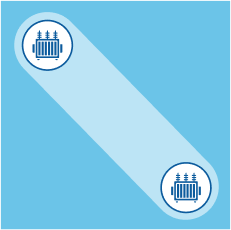
The first step in the process was to identify areas for potential transmission line route options. We developed initial corridors based on system needs, reviewed publicly available data, and found opportunities to minimize impacts to residential properties, agricultural operations, and other environmental considerations. In January 2026, we shared preliminary route options with landowners and local officials to gather feedback.
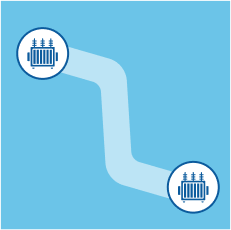
Using public feedback and environmental review tools, we'll further refine and narrow the preliminary route options to develop the proposed route for the route permit application.
We encourage landowners and local officials to attend public open houses, review route options and provide comments about how each of the initial proposals would affect land use in the area. We will evaluate all comments as route options are refined during the development process.
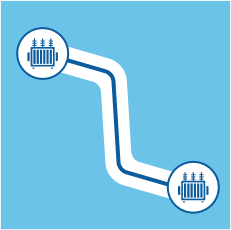
The project team will use the information and public input gathered to develop a proposed route that we anticipate submitting to the MPUC later in 2026.
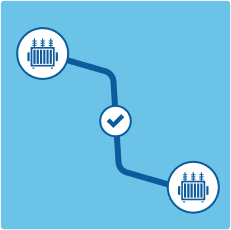
The MPUC will issue a final determination on the route at the conclusion of the route permit application review process. View the MN Regulatory Process page for more details.

Input and engagement opportunities will be available throughout these processes.
Routing Considerations
During the routing process, our team will identify opportunities where routes and route alternatives could be located while evaluating sensitivities or areas that would create more impacts.
Opportunities are considered linear features that may be considered for route options:
- Field lines
- Property lines
- Roads
- Utility corridors
Sensitivities are area resources or conditions that may require additional review and consideration:
- Agricultural impacts
- Cemeteries, religious facilities and cultural and historic resources
- Communication towers
- Conservation area/ nature preserves
- Contaminated areas
- Forest
- Hospitals
- Levees/dams
- Mines/quarries
- Pipelines
- Planned developments
- Protected federal and state lands
- Protected animal and plant species
- Public and private airports
- Public recreational land
- Railroads
- Residences
- Rivers, lakes, streams and wetlands
- Schools, daycares and other buildings
Interactive Map
We’ve received valuable feedback from landowners and stakeholders throughout the project area, and we appreciate everyone who has taken the time to share their input. For the North Rochester to Marion segment, the project team reviewed comments we’ve received and refined the preliminary route options that were shared in January. The yellow lines represent the current preliminary route options. The orange pins on the map indicate the segment IDs. For the MariBell segment (Marion to the Mississippi River), we still anticipate proposing a route option that generally follows the existing 161 kV corridor, which is shown by the green line.
Map Navigation
- Drop a pin on the map to identify any opportunities or sensitivities in the area.
- Click or tap ‘Add a comment’ to get started. If you prefer to leave a general comment, click or tap the ‘Comment’ button in the top left of your screen. If you prefer to leave a general comment, click or tap the ‘Comment’ button in the top left of your screen.
- To navigate the map on a desktop device, use ctrl + scroll or use the plus (+) and minus (-) buttons to zoom in and out and click and drag or use the directional arrows in the bottom right corner to move around.
- To navigate the map on mobile device, pinch with two fingers to zoom in or out and drag with one finger to move around.
Get Involved
Community feedback is essential at every stage, so we encourage you to stay engaged throughout the process.


